Florida’s Mostly-Underwater National Park: The Biscayne Secret Few Visitors Notice
 Editorial Team
Just south of Miami, Biscayne National Park is a true underwater wilderness—about 95% of it is water. Here’s how to visit, what to see, and how to plan a simple, budget-friendly day.
If you’ve ever said, “I’ve been to Miami, so I’ve basically seen south Florida,” Biscayne National Park is here to prove you wrong.
This is the rare national park where the “main attraction” isn’t a viewpoint, a waterfall, or a scenic drive—it’s what’s under the surface. In fact, Biscayne is about 95% water, which is why it can stay oddly under-the-radar even though it sits right next to one of the most visited cities in the U.S.
Here’s what makes it special, and how to plan a first visit that feels big-adventure without becoming a big-expense.
Why Biscayne feels like a secret
Biscayne National Park protects a mosaic of south Florida ecosystems:
- Shallow bay water with seagrass meadows (a nursery for marine life)
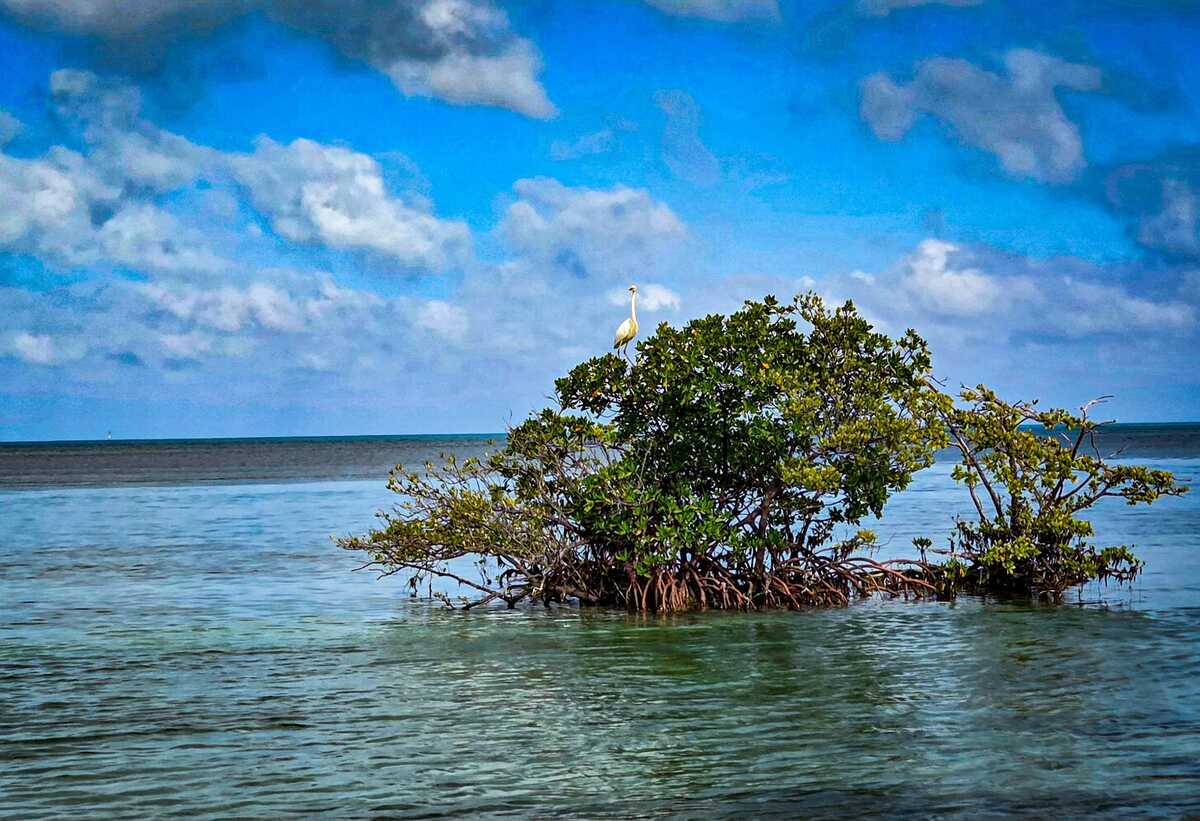
- Mangrove shoreline where the water turns tea-colored near the roots
- Florida Keys-style islands (some with campgrounds)
- Offshore reef habitat tied to the Florida Reef system
Most visitors expect a park to “start” the moment they arrive—gate, map, trailhead, done. Biscayne doesn’t work like that.
The mainland access point is real and worth visiting, but the classic Biscayne experiences—snorkeling, island picnics, shipwreck views, and reef time—usually require getting out on the water.
The headline: yes, it’s mostly underwater
“Mostly underwater” isn’t just a fun line. It shapes the entire trip.
Biscayne’s protected area includes vast stretches of Biscayne Bay and offshore water, while only a small slice is actual land (some islands plus a thin strip of mainland). That’s why this park rewards people who think like boaters, paddlers, and snorkelers.
What to do in Biscayne (even if you’re not a hardcore diver)
1) Start at the mainland visitor area
Plan at least 60–90 minutes for a low-stress introduction:
- Check current conditions and safety notes
- Get oriented to islands and reefs
- Ask what’s realistic with the day’s wind and water clarity
If you’re trying to keep costs down, this stop also helps you avoid booking the “wrong” kind of tour for the weather.
2) Go for a snorkel day (the most “Biscayne” experience)
If you’re only going to do one signature thing, make it snorkeling.
What you might see on a good day:
- Schools of reef fish around hardbottom and shallow structures
- Seagrass life (juvenile fish, starfish, and the occasional surprise)
- Clear, bright water that feels Caribbean-adjacent—without leaving the mainland
If you’re new to snorkeling, practice in calm, shallow water first. A properly fitted mask and a comfortable snorkel make a bigger difference than fancy fins.
3) Visit a key for a picnic vibe (and easy bragging rights)
Some keys in the park have picnic areas and campgrounds, and they’re a great “I can’t believe this is so close to Miami” moment.
Bring:
- Lunch that can handle heat (wraps, fruit, salty snacks)
- More water than you think you need
- Sunscreen you’ll actually reapply
4) Look for history on the water
This coastline has a long relationship with navigation, storms, and ship traffic. Biscayne is known for maritime history—think navigation markers, shallow reefs, and the kind of waters that once made shipwrecks more common.
You don’t need to be a history buff for this to land. Seeing the outline of a wreck site or hearing why reefs mattered here makes the whole seascape feel “storied,” not just pretty.
The easiest itinerary (half day)
This is the plan that works well for families, first-timers, and anyone pairing Biscayne with other Miami plans.
- Morning: Mainland visitor stop + quick walk/photo time
- Late morning to early afternoon: Guided boat/snorkel option (or a calm-water paddling session)
- Afternoon: Late lunch back on the mainland
If your schedule is tight, this itinerary still gives you the core “underwater national park” feeling.
The classic itinerary (full day)
For travelers who want a more “national park” day:
- Start early to maximize calm water
- Spend time on a key for a picnic + short walk
- Add a snorkel stop if conditions are good
Biscayne is sun-intense. Reflected light off the water can burn you faster than you expect—even on hazy days.
When to visit (weather matters here)
Because so much of the park experience is on the water, conditions can make or break your day.
General rule of thumb:
- Dry season (roughly late fall through early spring) tends to feel more comfortable and less buggy on the islands.
- Summer can still be beautiful, but heat, storms, and mosquitoes can be a bigger factor.
If you’re planning snorkeling, prioritize calmer days and ask about water clarity.
Budget tips: how to do Biscayne without overspending
Biscayne can be surprisingly affordable if you plan around what costs money.
- No general entrance fee doesn’t mean “free day,” but it helps.
- The biggest expense is usually getting on the water (tour, rental, or private boat costs).
- If you plan to dock or camp on certain keys, expect separate fees for those activities.
Simple ways to keep the trip cost-friendly:
- Bring your own snacks, water, and reef-safe sun protection
- Compare tour lengths (half-day can be plenty)
- If traveling with friends, consider cost-splitting options for on-water activities
What makes Biscayne worth it (even if you’ve done the Florida Keys)
The Keys are famous, and they’re incredible—but Biscayne’s appeal is different.
It’s not a “drive-to-the-view” park. It’s a park that asks you to slow down, look into the water, and notice how a shoreline becomes a mangrove maze, how seagrass turns into reef structure, and how close wild Florida can be to city lights.
If you want a Florida trip that feels fresh in 2026—especially something Google Discover readers will actually stop scrolling for—this is a strong bet: a national park that’s hiding in plain sight, mostly underwater, and still one of the most unusual day trips you can take from Miami.
Frequently Asked Questions
Biscayne National Park. Only a small portion is land—the rest is Biscayne Bay, islands, and offshore reefs, which is why many people don’t realize how ocean-focused the park is.
Related Articles
4 Unique Experiences You Can Only Have in Michigan (2026 Guide)
Florida's 4 Hidden Gems Even Locals Don't Know About (2026 Guide)

05 Best Colorado Mountain Towns in 2026, According to a Lifelong Local