California's 5 Most Gorgeous Sierra Nevada Mountain Destinations To Visit in 2026
 Editorial Team
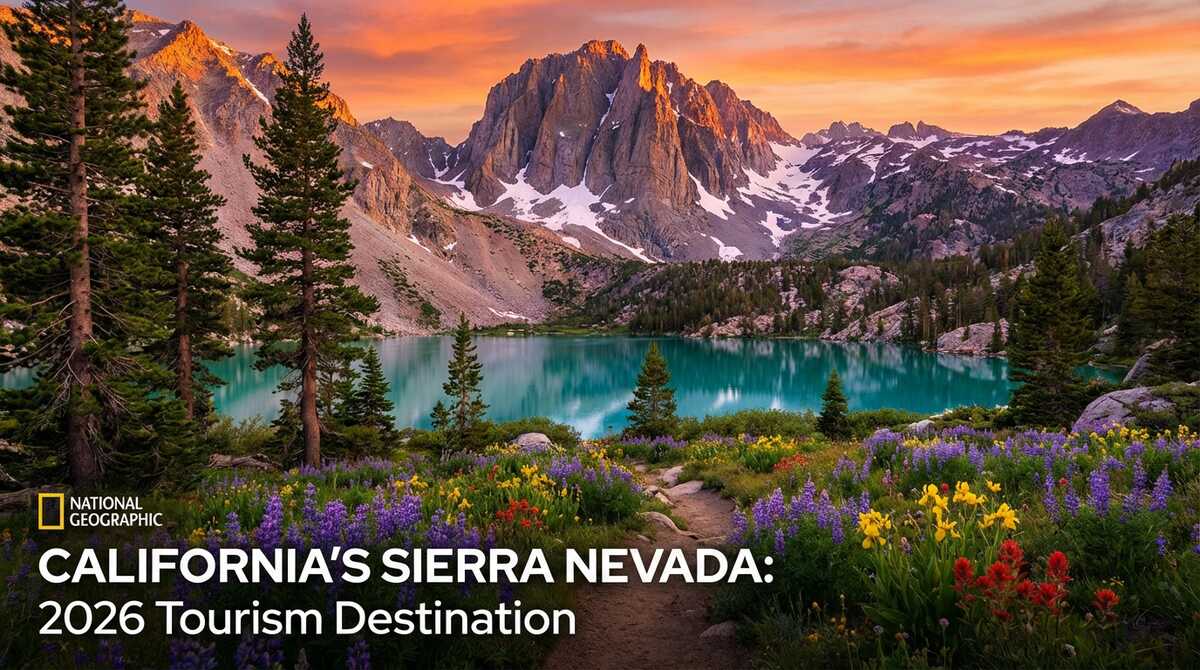
From Yosemite's granite giants to Lake Tahoe's crystal waters, discover the Sierra Nevada's most breathtaking destinations. A local's guide to California's most stunning mountain getaways.
The Sierra Nevada stretches over 400 miles through California, featuring granite peaks, alpine lakes, and the world's largest trees. From Yosemite National Park's iconic cliffs to Lake Tahoe's crystal waters, this range delivers unforgettable mountain experiences.
Planning Tip: Download offline maps before heading into the Sierra Nevada. Cell service is spotty in remote areas—apps like AllTrails or Gaia GPS with saved coordinates are essential for backcountry navigation.
This guide showcases five stunning Sierra Nevada destinations for 2026. For budget travel tips to make your adventure more affordable, we've included money-saving strategies throughout.
1. Yosemite Valley: California's Crown Jewel
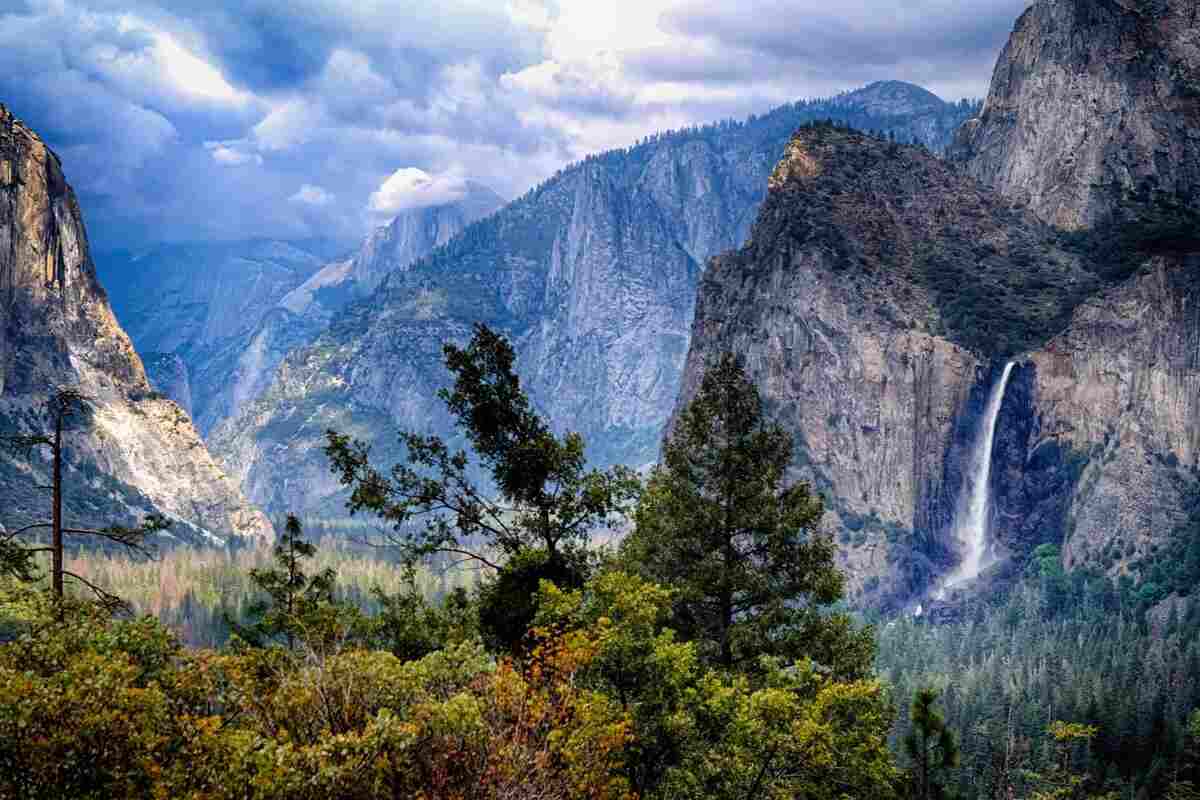
This 7.5-square-mile glacially-carved valley showcases granite walls rising 3,000 feet from the valley floor. El Capitan draws climbers worldwide, while Half Dome's distinctive silhouette defines the valley's iconic skyline.
What to do: The Half Dome hike (14-16 miles, 4,800 ft gain) requires May-October permits. Steel cables assist the final 400 feet. Mirror Lake's 2-mile loop reflects Half Dome beautifully. Yosemite Falls (2,425 feet) peaks during spring snowmelt.
Summer Crowds Alert: Yosemite Valley sees over 4 million visitors annually, with most arriving during summer. Consider visiting in May or September for better weather than winter but fewer crowds than peak summer. Arrive before 9 AM or after 4 PM to avoid worst traffic and find parking.
Where to stay: Valley campgrounds book months ahead via recreation.gov. Mariposa (45 minutes away) offers affordable alternatives.
2. Lake Tahoe: Alpine Paradise Straddling Two States
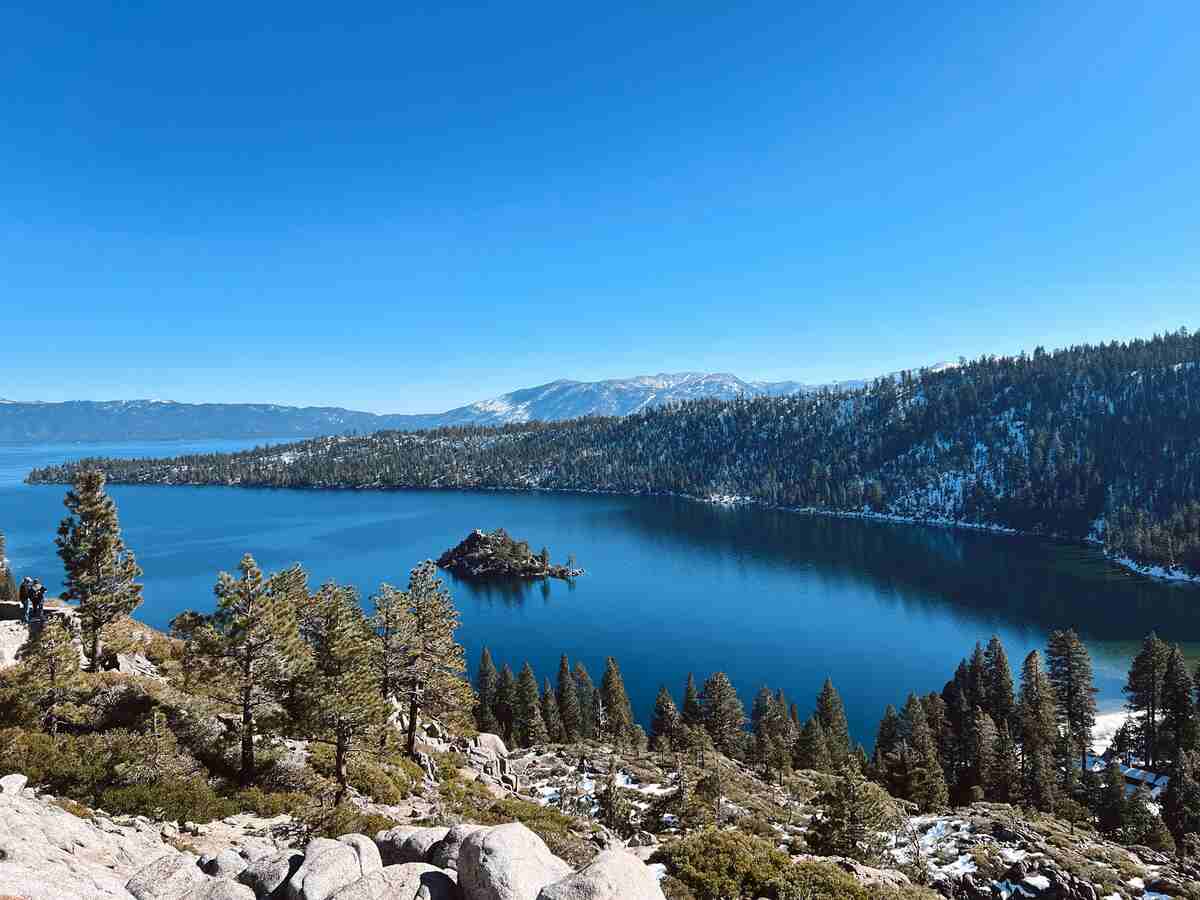
At 1,645 feet deep with 70-foot water clarity, Lake Tahoe's California shores offer spectacular scenery. Mark Twain called it "the fairest picture the whole earth affords."
What to do: Emerald Bay State Park features Fannette Island with 1920s teahouse ruins. The Desolation Wilderness offers Eagle Lake (2 miles) or Mount Tallac summit (10 miles, 9,735 feet). Winter brings skiing at Palisades Tahoe, Heavenly, and Kirkwood.
Budget-Friendly Tip: Visit Tahoe's public beaches like Kings Beach or D.L. Bliss State Park instead of resort areas. Pack a picnic lunch to avoid pricey lakeside restaurants. Weekday visits (Tuesday-Thursday) offer significantly cheaper lodging rates than weekends.
Where to stay: South Lake Tahoe has lodging variety; North Shore towns offer quieter mountain charm. Budget travelers should camp at D.L. Bliss or Emerald Bay.
3. Sequoia & Kings Canyon National Parks: Land of Giant Trees
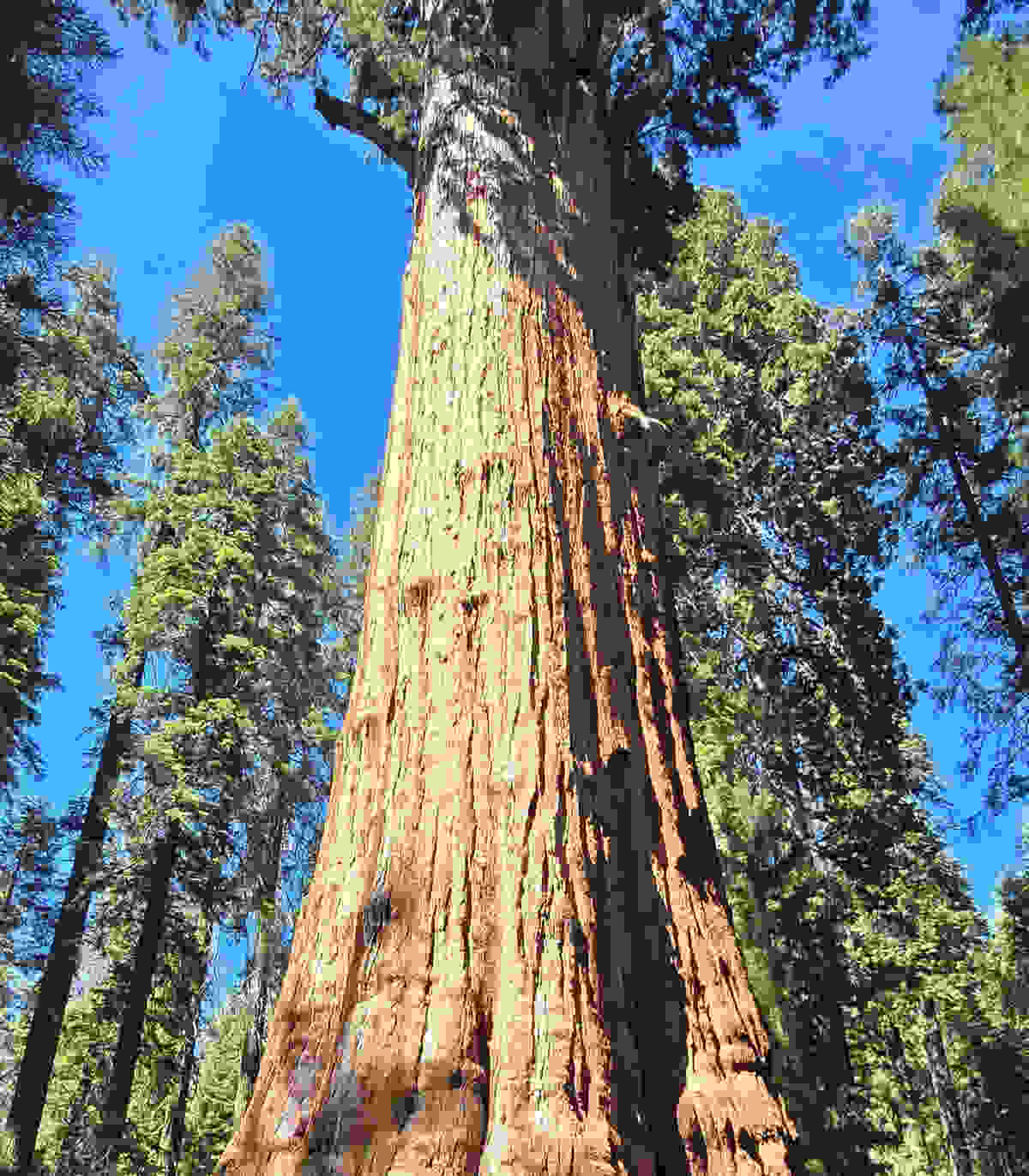
Sequoia and Kings Canyon (865,964 acres) protect giant sequoias reaching 275 feet and 3,000 years old. Mount Whitney (14,505 feet) marks the eastern boundary.
What to do: General Sherman Tree (0.5 mile) is Earth's largest at 275 feet, 1,385 tons. Rae Lakes Loop (41.4 miles, 4-5 days) traverses alpine basins. Moro Rock's 400 steps offer panoramic views. Store food properly—black bears and mountain lions present.
Elevation Sickness Risk: Many trailheads in Sequoia & Kings Canyon start above 7,000 feet. If you're coming from sea level, spend a day acclimatizing before attempting strenuous hikes. Symptoms include headaches, nausea, and fatigue. Drink extra water and ascend gradually.
Where to stay: Park lodges/campgrounds book early (summer fills by January). Three Rivers offers budget alternatives.
4. Lone Pine & the Eastern Sierra: Rugged Frontier Beauty
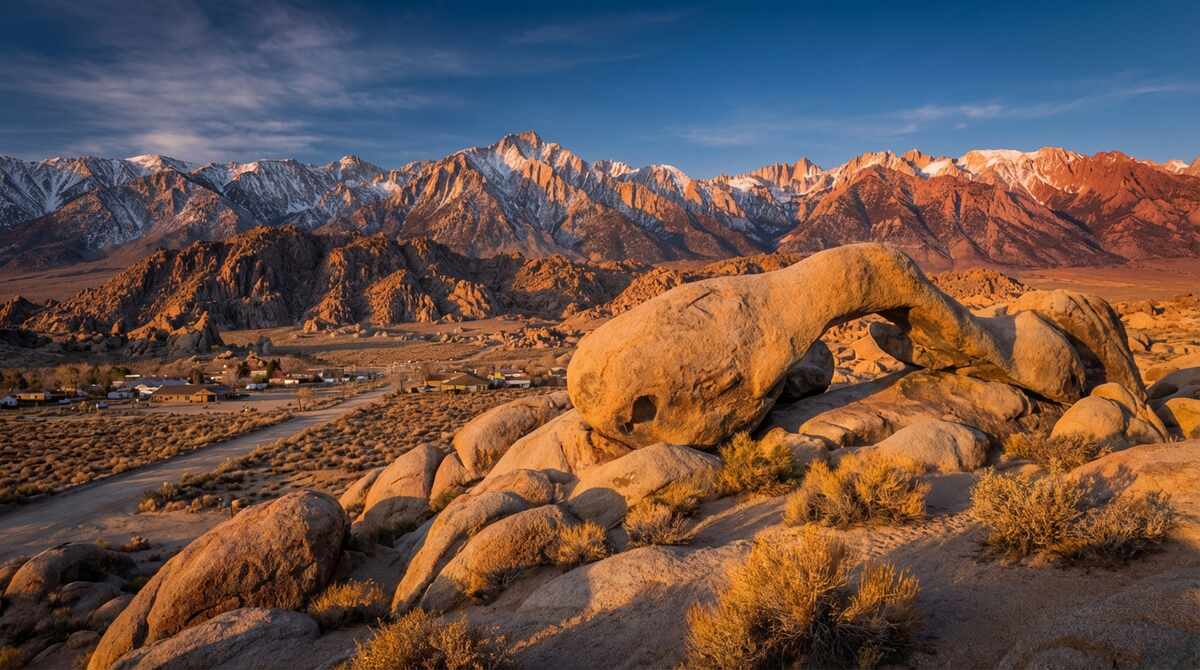
Lone Pine sits where Mount Whitney rises 10,000 feet from desert valleys. Less-visited Eastern Sierra offers authenticity. Alabama Hills starred in 400+ Western films.
What to do: Whitney Portal Road (13 miles) climbs to Mount Whitney trailhead (permits required). Lone Pine Lake (2 miles) offers accessible alpine scenery. Alabama Hills' Movie Road features natural arches—best at sunrise/sunset.
Route 395: Highway 395 extends north to Mammoth or south to Death Valley. Shoulder seasons cut lodging costs like our budget mountain town tips.
Where to stay: Lone Pine Campground (April-October) or town motels with dark-sky views.
5. Gold Country: Historic Foothills & Wine Trails
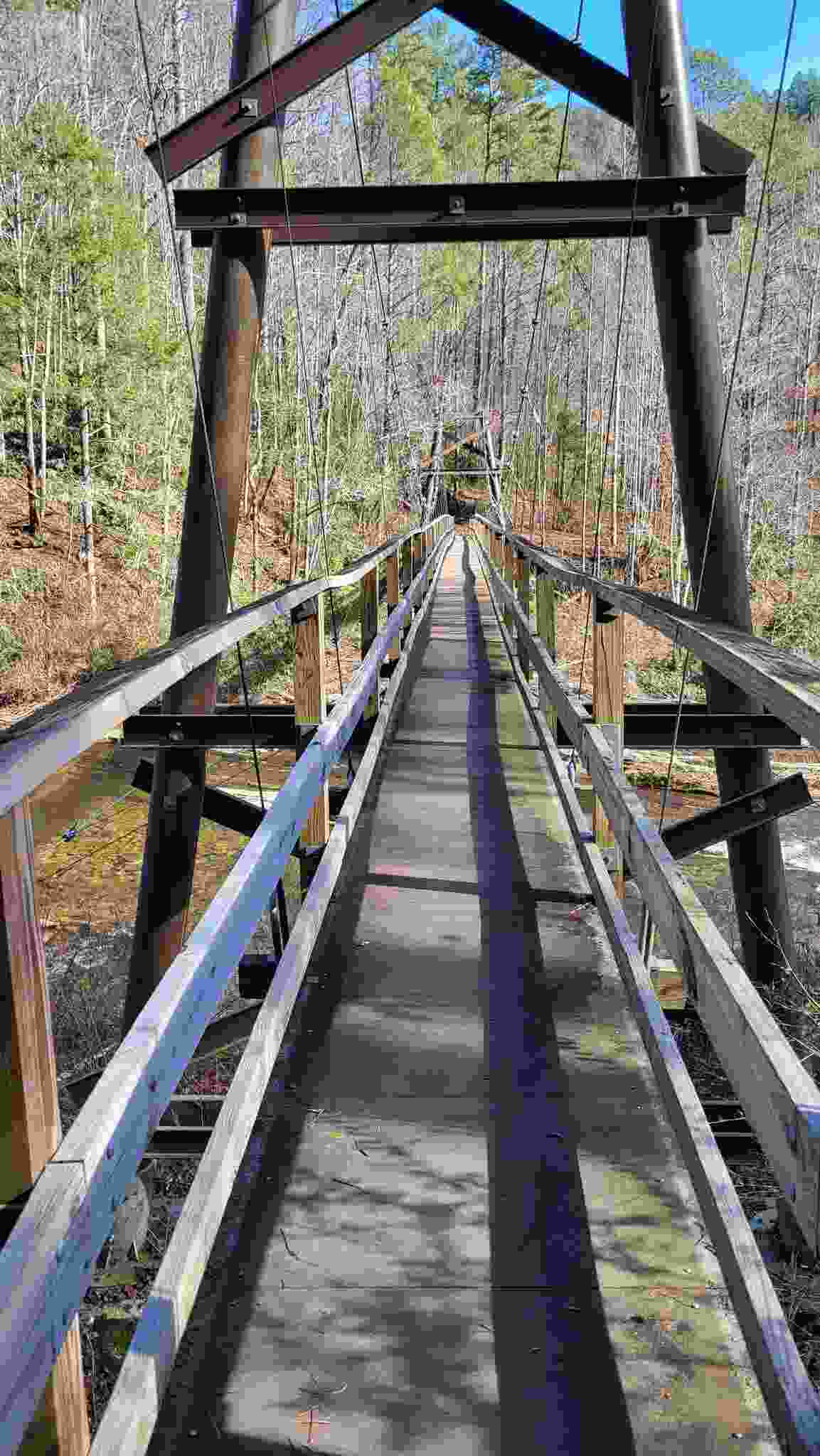
California Gold Country (350 miles, Highway 49) blends 1848 Gold Rush history with 100+ wineries on volcanic soils.
What to do: Nevada City offers Victorian architecture and self-guided tours. Marshall Gold Discovery Park (Coloma) lets you pan for gold where the rush began. Amador/El Dorado wineries pour Zinfandels with low/no fees. Raft the American River (Class II-IV).
Where to stay: Historic hotels in Nevada City, Grass Valley, and Sutter Creek offer charm. Forest Service campgrounds along Highway 49 provide budget access.
Planning & Safety Tips
Best seasons: Summer (June-August) offers full access with crowds. Fall (September-October) has golden aspens, fewer visitors. Spring brings waterfalls. Winter suits skiing but closes roads.
Camping cuts costs 60-75%. Parks charge $15-30/night; Forest Service dispersed camping is often free. Like affordable retirement towns, budget strategies maximize value.
Wilderness Permit Requirements: Many Sierra Nevada destinations require advance permits for overnight trips and some day hikes. Yosemite's Half Dome permits and Mount Whitney permits are issued by lottery months in advance. Plan early and have backup destinations if your first choices aren't available.
10 Essentials: navigation, sun protection, layers, headlamp, first-aid, fire starter, repair kit, extra food/water, shelter.
Bear safety: Use canisters (backpacking) or bear boxes (campgrounds). Never store food in cars. Weather changes rapidly—carry rain gear and layers year-round.
From Yosemite's granite to Tahoe's waters, giant sequoias, Eastern Sierra frontier, and Gold Country history, these five destinations showcase the Sierra Nevada's spectacular diversity. Plan 2-3 days per location for an unforgettable California mountain adventure.
Frequently Asked Questions
May-October offers best hiking conditions. Summer (June-August) has warm weather and full trail access. Fall (September-October) brings stunning foliage and fewer crowds. Winter suits skiing at Lake Tahoe but brings mountain pass closures.
Related Articles
4 Unique Experiences You Can Only Have in Michigan (2026 Guide)
Florida's 4 Hidden Gems Even Locals Don't Know About (2026 Guide)
05 Best Colorado Mountain Towns in 2026, According to a Lifelong Local